

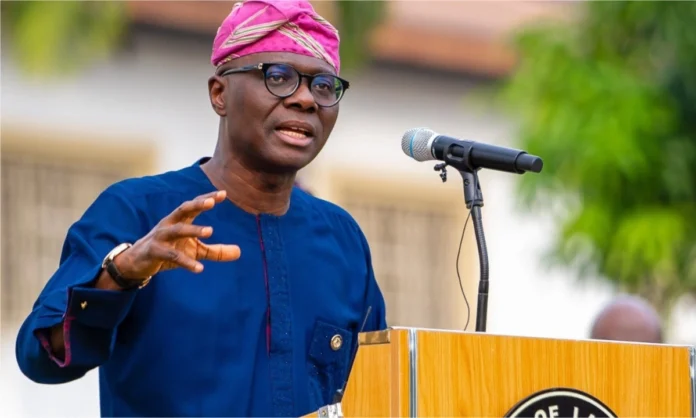
The Lagos State Government has adopted a “no power, no pay” policy following the signing of three power purchase agreements aimed at improving electricity supply and ensuring accountability in energy payments.
Governor Babajide Sanwo-Olu disclosed this in a statement on Sunday, explaining that the agreements are part of broader efforts to address persistent gaps in power delivery and enhance reliability across public infrastructure.
“Today at Lagos House, Marina, I witnessed the signing of three power purchase agreements designed to build on existing capacity and address what has not been working,” the governor said.
According to the arrangement, specific power firms have been assigned to handle electricity supply in designated areas and facilities. Fenchurch Power will provide energy to major water infrastructure in Adiyan and Iju, while Mainland Power will continue supplying Ikeja, Oshodi, and Anthony, with plans for expansion. Viathan will maintain electricity supply to key facilities on Lagos Island, alongside efforts to improve integration with the wider distribution network.
“Fenchurch Power will support our major water facilities in Adiyan and Iju. Mainland Power will continue serving Ikeja, Oshodi, and Anthony, with room for expansion. Viathan will maintain stable power supply to key facilities on the Island as we strengthen its integration with the distribution network,” he added.
Sanwo-Olu noted that the agreements have been updated to reflect current realities in the power sector, introducing a new payment structure that ties government payments strictly to actual electricity delivered.
“We have updated these agreements to reflect current market realities. We will no longer pay for power that is not delivered. Payments are now tied to actual, metered supply, helping us reduce waste and manage costs more effectively,” he stated.
The governor said the initiative is expected to improve the reliability of electricity supply for public infrastructure, optimise the use of state resources, and create a framework for expanding power capacity in the coming years.
“This means more reliable power for public infrastructure, better use of state resources, and a clear path to scale capacity over the next few years,” the governor noted.
