

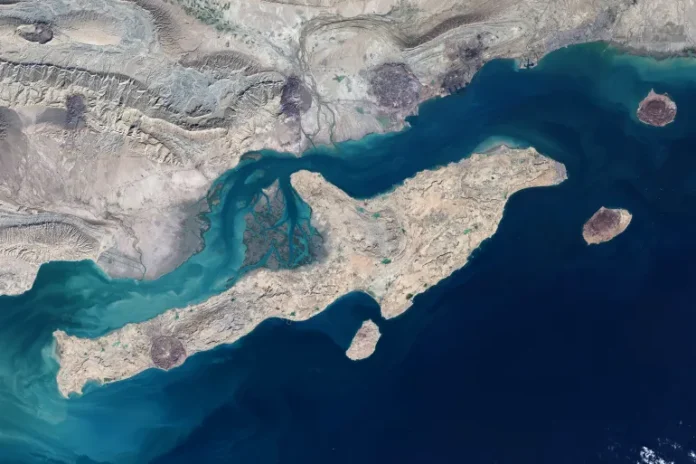
Iran has announced the reopening of the Strait of Hormuz to commercial shipping, signaling a temporary easing of tensions in the Middle East and offering relief to global energy markets.
The development was confirmed by Iran’s Foreign Minister, Seyed Abbas Araghchi, who linked the decision to an ongoing ceasefire arrangement in the region, particularly following a truce involving Lebanon.
According to Araghchi, commercial vessels are now free to transit through the strategically critical waterway, which serves as a major route for global oil shipments.
“the passage for all commercial vessels through Strait of Hormuz is declared completely open for the remaining period of ceasefire.”
Despite reopening the channel, Iranian authorities have stipulated that all ships must adhere to specific routes coordinated by the country’s maritime agencies. This measure is aimed at maintaining order and ensuring safe passage during the fragile ceasefire period.
The announcement has been positively received internationally. Donald Trump welcomed the development, publicly thanking Iran in a post shared on social media.
The impact on global markets was immediate. Oil prices fell sharply—by more than 11 percent—reflecting renewed confidence in the stability of supply routes through the Persian Gulf.
The reopening of the Strait follows a 10-day ceasefire agreement between Israel and Lebanon, which came into effect on Thursday evening. The truce appears to have created a window for de-escalation, allowing for the restoration of critical economic and shipping activities in the region.
The Strait of Hormuz remains one of the most important maritime chokepoints in the world, and any disruption to its operations typically has significant implications for global trade and energy prices. Its reopening, even temporarily, marks a notable shift in the current geopolitical landscape.
