

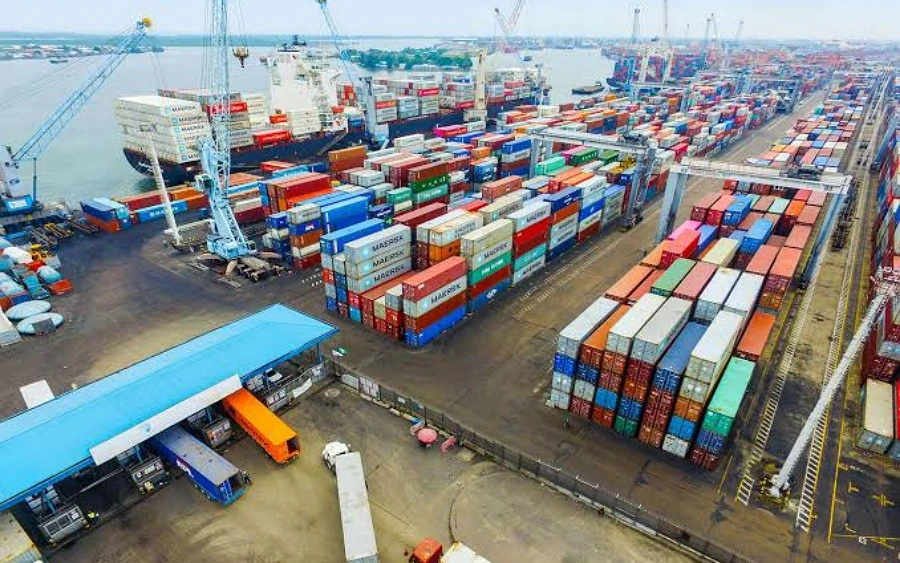
APM Terminals Apapa, in collaboration with the Nigerian Ports Authority (NPA), has introduced a drug and alcohol screening programme targeting external truck drivers operating within the Apapa port corridor.
The initiative is part of broader efforts to strengthen safety standards and reduce risks associated with impaired driving in one of Nigeria’s busiest port environments.
Under the programme, drivers are subjected to breathalyser tests at the port gate before being granted access to the terminal. The exercise is carried out with the support of Port Police and Port Health Services, ensuring that only drivers deemed fit for duty are allowed entry.
According to the Lagos Port Manager, Adebowale Lawal Ibrahim, verifying the physical and mental condition of drivers is essential to maintaining operational safety, especially given the size and nature of the vehicles involved.
He explained that routine screening would not only discourage substance abuse but also promote adherence to safety protocols among drivers and transport operators.
Data from the latest round of checks indicates some level of improvement. Out of 30 drivers screened, three tested positive for alcohol use, a figure authorities say is lower compared to previous exercises.
Also speaking on the initiative, the Managing Director of APM Terminals Apapa, Kamal Alhraishat, highlighted the company’s strong safety record, noting that it has achieved 636 consecutive days without a lost time injury.
He said the introduction of the screening programme is part of efforts to sustain that record by extending safety standards beyond the company’s direct workforce to include third-party drivers who operate within the port.
Alhraishat emphasised that impaired driving poses significant risks, not only to the drivers themselves but also to other road users, port workers, and critical infrastructure.
He added that consistent enforcement of safety checks, combined with awareness campaigns, would help address substance use concerns and gradually encourage safer behaviour among drivers operating in the port environment.
