

Sokoto State is pushing forward with an ambitious overhaul of its healthcare system, targeting rural access, workforce shortages, and infrastructure gaps as key priorities.
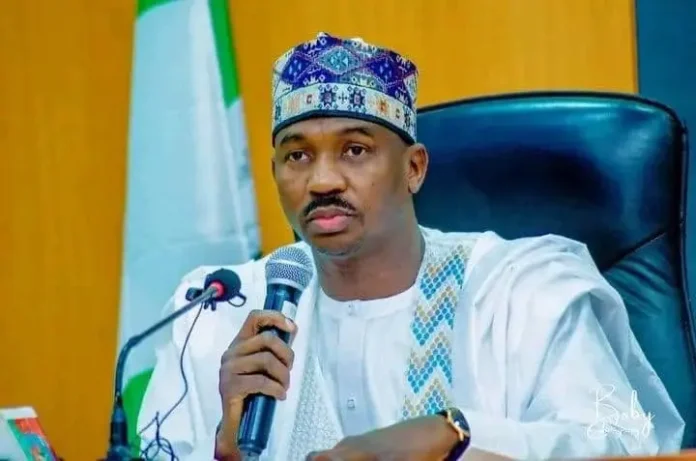
Governor Ahmad Aliyu Sokoto announced the reforms while opening the 8th State Council on Health meeting in Sokoto, describing the platform as critical for reviewing progress and setting future direction.
A central feature of the reform is a mandatory two-year rural posting policy aimed at tackling the shortage of healthcare workers in underserved communities. The state has already deployed over 1,500 nurses and midwives to rural areas, backed by a 10% salary incentive to encourage participation.
The workforce expansion goes further, with about 2,400 community health workers recruited to strengthen primary healthcare delivery.
“This bold initiative is already strengthening service delivery at the grassroots,” he said.
To improve specialist care, the government has partnered with Usmanu Danfodiyo University Teaching Hospital, enabling expert rotations, mentorship, and capacity building for rural facilities.
On infrastructure, the administration has approved the renovation of 15 general hospitals across the state and upgraded more than 160 primary healthcare centres to improve access at the community level.
Financially, over N300 million has been committed as counterpart funding to attract support from development partners.
Governor Aliyu noted that the reforms align with the broader health agenda of Bola Ahmed Tinubu, particularly the national health sector renewal drive.
Health Commissioner Faruk Umar Abubakar highlighted plans to improve accountability and data-driven planning, including the introduction of a Citizens’ Voice Survey.
“Reliable statistics remain essential for tracking progress, identifying gaps, and ensuring accountability,” he said.
Development partners have also backed the reforms. Representing the United Nations Population Fund, Dr. Yusuf Alayande disclosed support exceeding N4.6 billion in 2026, alongside a scholarship programme for 500 rural women to train as midwives.
The initiative also builds on earlier contributions, including funding for child-spacing commodities to improve maternal health outcomes.
The governor reaffirmed his administration’s long-term vision:
“We will continue to implement strategic reforms and targeted interventions that will improve health indices and ensure that our people have access to quality and affordable healthcare services,” he vowed.
