

A new approval of N3.3 trillion by the Federal Government to address persistent challenges in Nigeria’s power sector has ignited widespread reactions, with concerns raised about accountability and the effectiveness of past interventions.
The development was announced in a statement shared on April 5, 2026, by Bayo Onanuga, Special Adviser on Information and Strategy to Bola Ahmed Tinubu.
According to the statement, the approval is part of a structured payment plan under the Presidential Power Sector Financial Reforms Programme. The initiative is designed to clear legacy debts accumulated between 2015 and 2025 within the electricity sector.
Government officials said the N3.3 trillion represents a full and final settlement arrangement, with approximately N2.3 trillion already tied to agreements with 15 power generation companies. Of the total, N501 billion has been mobilised so far, while N223 billion has already been disbursed.
“This programme is not just about settling legacy debts, it is about restoring confidence across the power sector,” Olu Arowolo Verheijen said.
Authorities expressed optimism that the intervention would stabilise electricity generation and improve supply nationwide.
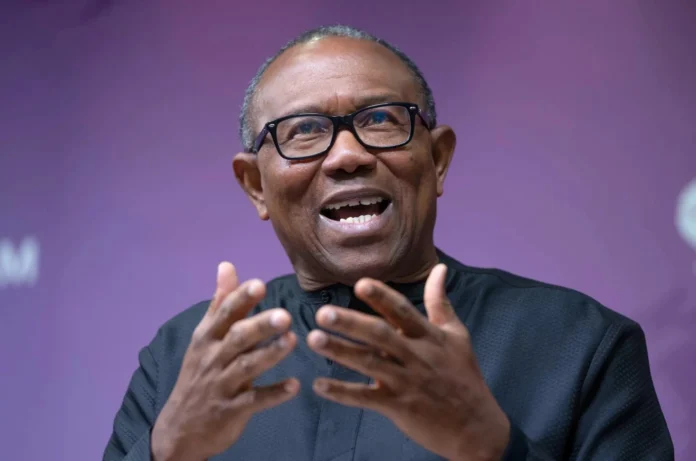
However, the announcement has drawn criticism from Peter Obi, who questioned the pattern of repeated financial approvals without corresponding improvements in service delivery.
In a statement shared on his official page, Obi recalled that a similar N3.3 trillion approval had been made in May 2024, alongside a N4 trillion bond issued in July 2024, all aimed at addressing the same sectoral challenges.
“This raises a fundamental question: were the previous approvals mere announcements without execution?” he asked.
He further raised concerns about transparency and fiscal responsibility, noting that despite multiple interventions, electricity supply across the country has not significantly improved.
“Key questions remain unanswered: How did the debt accrue? What is the actual total debt in the power sector? Why have previous approvals not translated into tangible improvements?” he added.
Obi stressed the need for a shift from repeated financial commitments to measurable outcomes, calling for greater transparency and accountability in the management of public funds.
The announcement has also sparked debate among Nigerians on social media, where many expressed frustration over what they described as a recurring cycle of promises without results.
“Approvals without execution are just numbers on paper. Nigerians deserve results, not repeated promises,” one user wrote.
Another commenter pointed out that similar figures had been approved in previous years without any meaningful improvement in electricity supply.
Despite the criticism, some voices pushed back, defending the government’s efforts and dismissing opposing views, highlighting the divided public opinion surrounding the issue.
