

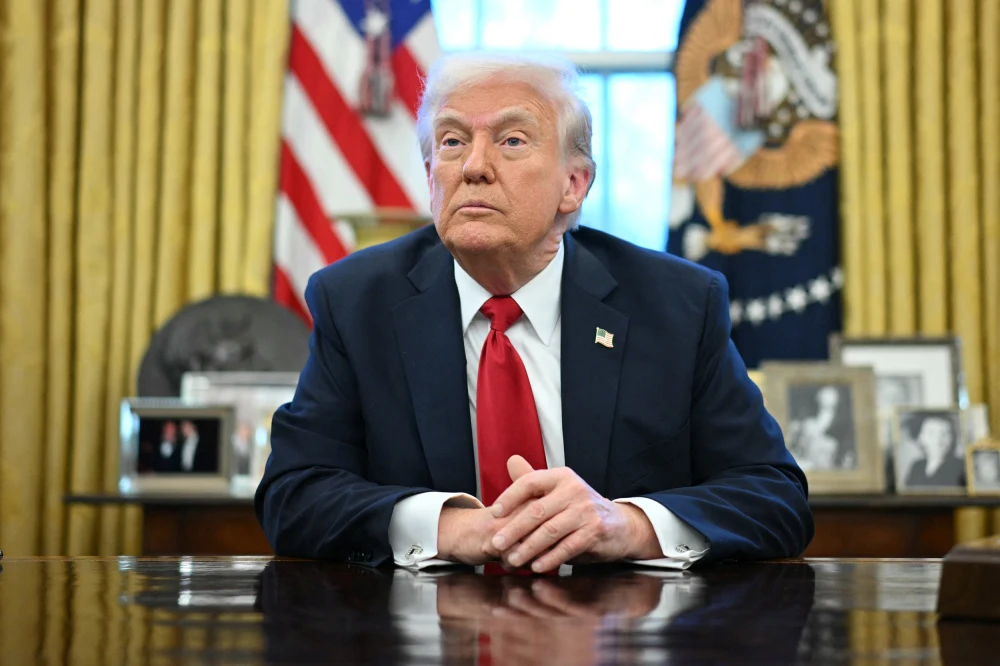
Global oil prices took a significant dip on Monday after former US President Donald Trump backed away from earlier threats to strike Iranian power plants.
This shift has brought a sense of cautious relief to the global economy, which has been struggling under the weight of rising fuel costs.
The decline in prices followed growing signals that the United States and Iran may be moving toward diplomatic engagement. As a result, markets quickly adjusted by removing the added risk premium that had recently pushed crude oil prices above $100 per barrel.
Trump disclosed that Washington and Tehran held “productive” discussions over the weekend, aimed at easing tensions.
In a post on Truth Social, he also mentioned that he had directed a temporary pause on planned military actions targeting Iran’s power facilities.
Following the announcement, oil traders reacted immediately, with Brent crude prices dropping as fears of supply disruptions in the Middle East began to ease.
Brent crude, which stood at $112 per barrel the previous day, fell to $102.8 at the time of reporting—an 8.3% decrease.
Meanwhile, petrol prices—also known as PMS—have climbed above ₦1,400 per litre in Nigeria.
Fuel costs have nearly doubled over the past four weeks due to escalating tensions in the Middle East, further increasing the financial burden on many Nigerians.
However, the easing of tensions could help prevent a larger energy crisis, potentially avoiding even higher import costs and rising inflation in the country.
