

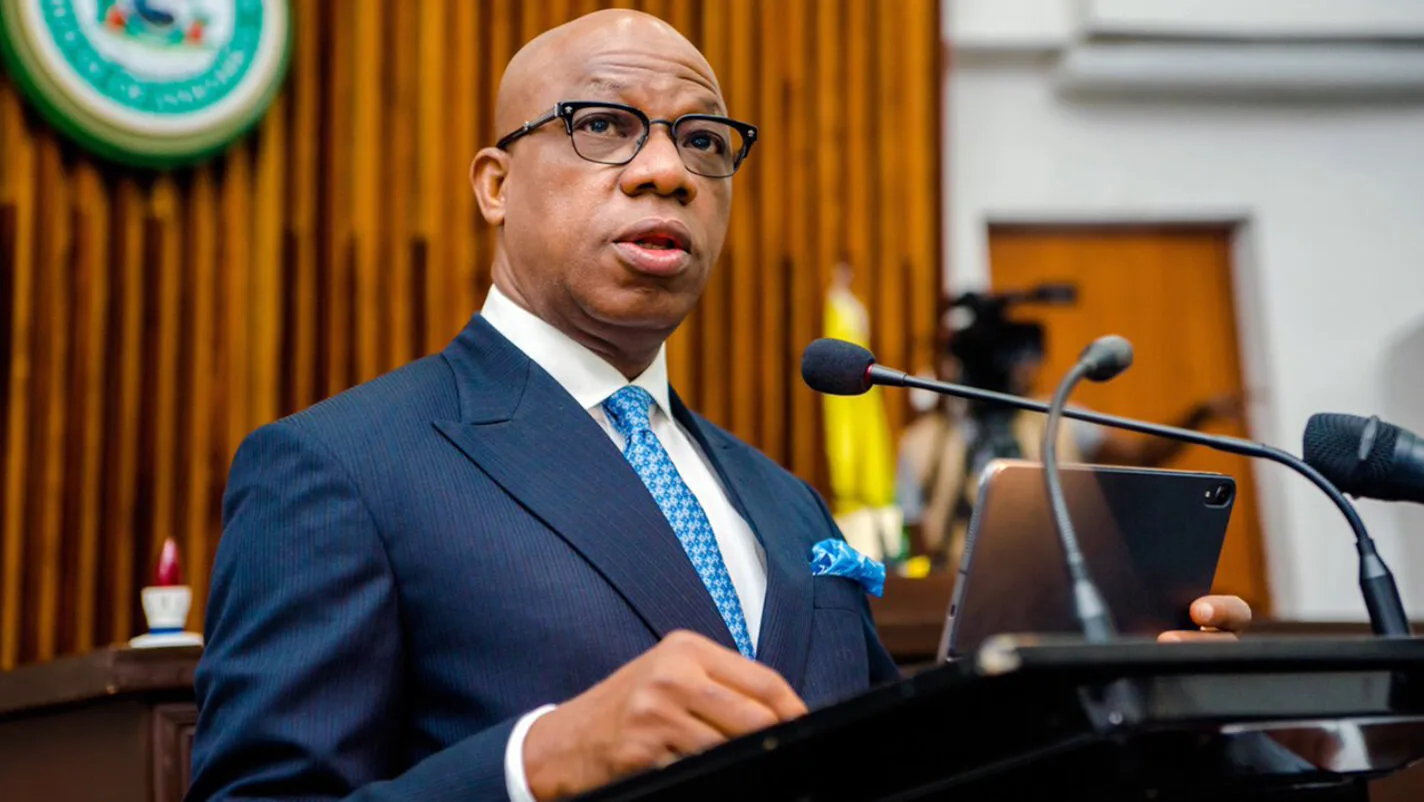
Governor Dapo Abiodun has introduced a set of temporary relief measures for public servants in Ogun State, aimed at helping them navigate the growing strain of higher fuel prices and living costs.
The initiative includes a weekly day off for eligible workers and a ₦10,000 monthly transport allowance. According to the state government, the measures will be implemented for an initial period of three months, beginning in April 2026.
Details of the policy were outlined in a statement released by the Head of Service, Kehinde Onasanya. He explained that the intervention is targeted at reducing the financial pressure many workers currently face, particularly in relation to transportation.
Under the arrangement, eligible civil servants will be allowed to take one day off work each week, in addition to receiving the monthly transport allowance. The goal, according to the government, is to ease commuting challenges while also supporting overall workplace efficiency by reducing stress levels among employees.
However, the weekly day-off policy will not apply to certain categories of workers whose responsibilities require constant physical presence. These include medical personnel, judicial staff, teaching and non-teaching staff at all levels, security operatives, Accounting Officers, Heads of Departments, and others in critical roles.
Despite this exemption, all affected personnel will still benefit from the ₦10,000 transport allowance.
The Head of Service also noted that Accounting Officers across Ministries, Departments, and Agencies (MDAs) will be responsible for determining suitable days off for eligible workers. This, he said, is to ensure that service delivery remains uninterrupted across government operations.
Describing the move as both timely and considerate, Onasanya praised the governor for placing priority on workers’ welfare amid ongoing economic pressures.
He further encouraged public servants to respond positively by demonstrating increased dedication, discipline, and improved performance in their duties.
The introduction of these measures reflects the state government’s broader effort to balance worker welfare with the need to maintain efficiency in public service during a challenging economic period.
