

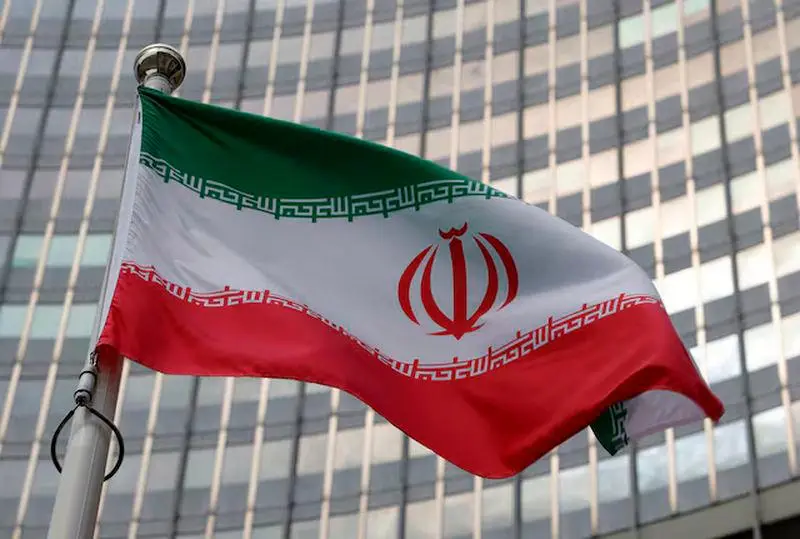
Iran has once again altered its stance on the status of the Strait of Hormuz, announcing new restrictions on the key maritime route just hours after declaring it open.
The update was reported by the country’s state broadcaster, Islamic Republic of Iran Broadcasting, which cited a statement from the Iranian military confirming the shift. According to the report, “the Strait of Hormuz” has been closed again, with vessels now required to obtain Iran’s approval before passage.
The Strait of Hormuz is one of the world’s most critical oil transit routes, and any disruption to its accessibility typically has immediate implications for global energy markets.
Iran’s latest move appears to be tied to ongoing tensions with the United States. In its statement, the military indicated that the waterway has “returned to its previous state” after accusing the U.S. of maintaining a naval blockade on Iranian Gulf ports.
“We warned you, and you ignored it. Now enjoy Hormuz returning to its previous state,” an Iranian official said.
The reversal follows an earlier announcement in which Iran had fully reopened the Strait, a decision that was publicly welcomed by Donald Trump. At the time, the development briefly eased market concerns and contributed to a drop in global crude oil prices.
Following that reopening, oil prices had fallen by roughly 11%, with major benchmarks such as West Texas Intermediate and Brent crude trading between $83 and $90 per barrel.
However, the renewed restrictions have once again raised uncertainty in global markets, as traders and analysts assess the potential impact on oil supply and shipping routes.
Since late February, oil prices have remained volatile, driven largely by geopolitical tensions in the Middle East. Iran’s latest announcement is likely to intensify those concerns, particularly if restrictions on the Strait persist or escalate further.
