

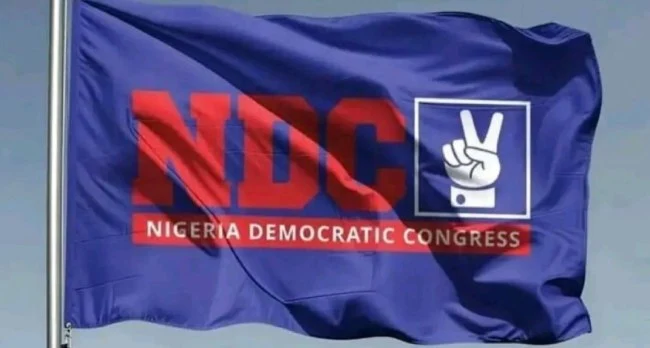
The leadership of the Nigeria Democratic Congress, including Peter Obi, Rabiu Kwankwaso, and other senior party figures, is currently gathered in Abuja for the party’s national convention.
The convention is expected to address and ratify several recent decisions taken by the National Executive Committee of the party as preparations intensify ahead of the 2027 general election.
According to the agenda made available to journalists, major issues slated for discussion include zoning arrangements, ratification of the amended party constitution, and the election of national executives who will steer the affairs of the party.
The NDC has recently witnessed a significant increase in political activity following the defection of politicians from other opposition parties, particularly the African Democratic Congress and the Peoples Democratic Party.
On Tuesday, no fewer than 17 members of the House of Representatives formally defected from the ADC to the NDC during plenary at the National Assembly.
The lawmakers whose defections were announced include Yusuf Datti, Uchenna Okonkwo, Adamu Wakili, Thaddeus Attah, George Ozodinobi, Lilian Orogbu, Oluwaseyi Sowunmi, Peter Aniekwe, Mukhtar Zakari, George Oluwande, and Munachim Umezuruike.
Others are Emeka Idu, Jesse Onuakalusi, Ifeanyi Uzokwe, Afam Ogene, Murphy Omoruyi, and Abdulhakeem Ado.
The defections occurred barely two days after Obi and Kwankwaso formally joined the NDC from the ADC.
Peter Obi, who contested the 2023 presidential election under the Labour Party platform, and Rabiu Kwankwaso, former presidential candidate of the New Nigeria People’s Party, officially received their NDC membership cards last Sunday.
The event took place shortly after a closed-door meeting with party leaders and was attended by supporters and stakeholders of the party.
The two opposition figures were welcomed into the NDC by Seriake Dickson, who serves as a national leader of the party.
Explaining his decision to leave the ADC, Obi cited growing political instability, internal crises, external interference, and increasing hostility within party structures.
The former Anambra State governor described Nigeria’s political environment as increasingly toxic, where intimidation, insecurity, and persistent scrutiny have become common experiences for politicians and citizens.
He also lamented that institutions expected to protect citizens are increasingly working against them, while individuals attempting to provide genuine public service continue to face mounting pressure both publicly and privately.
