

The United Kingdom has said it will not be drawn into the wider conflict in the Middle East.
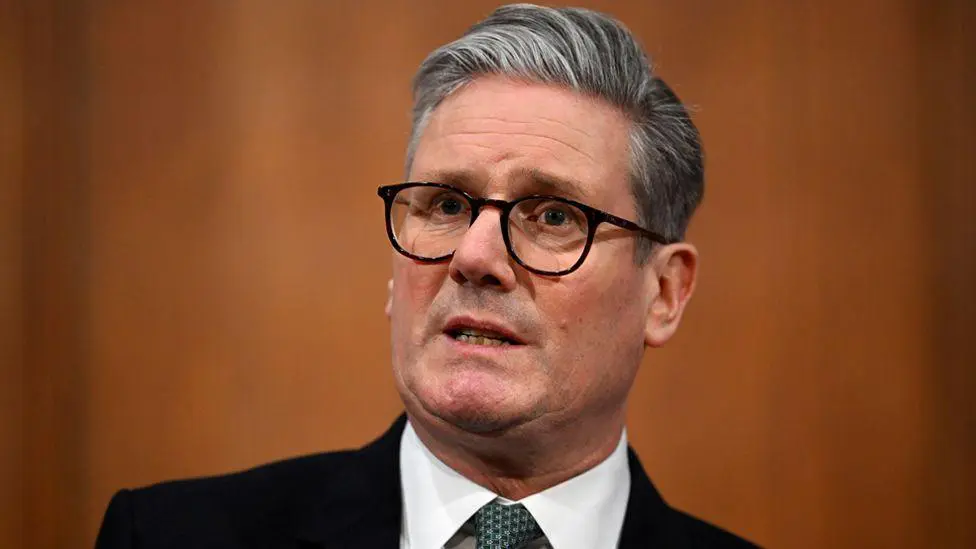
UK Prime Minister Keir Starmer made the statement amid growing concerns about requests from the United States for British military support to help keep major shipping routes open.
Speaking during a press conference at 10 Downing Street, the prime minister said he was “exploring the options” after Donald Trump called on allies to deploy warships to the Strait of Hormuz to help secure global oil supplies from the region.
Starmer acknowledged that the situation presents a difficult decision, saying it was “challenging, there’s no denying that,” especially after the US president increased pressure by warning that NATO could face a “very bleak” future if member states fail to back Washington.
The prime minister noted that the UK is considering sending naval vessels and mine-hunting drones to the Middle East. He said Britain is working with allies to develop what he described as a “feasible plan” to reopen shipping lanes, warning that energy prices could remain high if the routes remain disrupted.
“While we take the necessary measures to protect ourselves and our allies, we will not be drawn into the broader conflict. We will continue to strive for a prompt resolution that restores security and stability to the region and mitigates the Iranian threat to its neighbors,” he stated.
“I aim to see an end to this conflict as swiftly as possible, as the longer it persists, the more perilous the situation becomes, and the more detrimental it is for the cost of living here at home.”
He further remarked: “It’s a conversation; we have not yet reached the stage of making decisions. It is undoubtedly a complex issue, to say the least, regarding how to ensure the safety of maritime traffic. However, we are in discussions with the US, Gulf partners, and European nations.
“We cannot permit the conflict in the Gulf to become a boon for Putin. It is now evident that the US operation has significantly diminished the military strength of the reprehensible regime in Iran. The pressing question is, what follows next?”
Government ministers have also expressed concern about what appears to be a lack of a clear strategy from Trump for ending the conflict. However, Starmer, who spoke with the US president on Sunday night, stressed that the UK “must not lose sight” of the importance of reaching a negotiated settlement.
He explained that his earlier decision not to join the initial US offensive was guided by principle. “Principles, which I believe resonate with the British populace, dictate that our decision should stem from a calm, rational evaluation of the British national interest.”
Following a surge in global oil prices after the Iran conflict began, Starmer announced that households relying on heating oil would receive £53 million in government support to help offset rising costs.
He added that lower-income families would receive targeted assistance, while heating oil suppliers found engaging in price gouging would face legal consequences and stricter market regulation.
The prime minister also said he was not ruling out broader government assistance for energy bills if costs remain high when the current price cap expires this summer. However, he noted that forecasting future oil prices remains difficult and stressed that de-escalating the conflict remains the most important priority.
The government is currently facing growing pressure to expand support for households across the UK worried about energy costs, as the existing energy price cap is set to expire at the end of June, with the next rate expected to be announced in May.
