

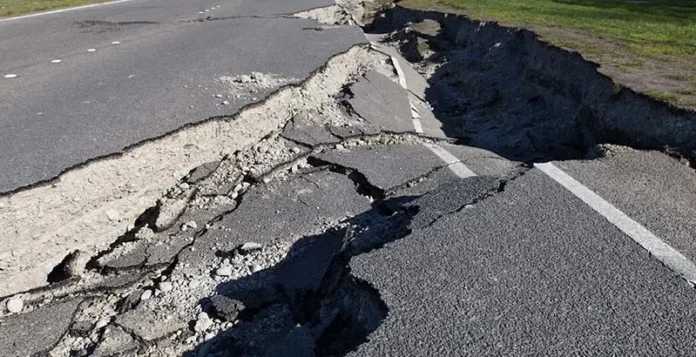
The Nigerian Institution of Structural Engineers has warned that several Nigerian cities, including Lagos, Ibadan, Abeokuta, and Benin City, could be vulnerable to earthquake-related damage.
Former president of the institution, Olushola Sanni, said many buildings across the country were constructed without proper engineering standards or consideration for seismic forces.
He explained that even though Nigeria is considered a low-risk seismic zone, it is not immune to earth tremors, warning against complacency due to the absence of recent major events.
“Earthquakes do not recognise geographical boundaries, and distance from the source does not guarantee protection. The lack of recent seismic events should not give a false sense of security,” Sanni stated.
Sanni also pointed to seismic activities in Ghana, particularly around Accra, noting that geological formations along the West African coast extend across borders, making parts of southwestern Nigeria potentially exposed.
He added that cities built on soft soil, such as Lagos, Ibadan, Abeokuta, and Benin City, could experience stronger ground shaking if seismic waves reach them.
To address the risk, the institution plans to introduce new earthquake-resistant building guidelines in Lagos on April 16, 2026, aimed at aligning Nigeria’s construction standards with global best practices.
