

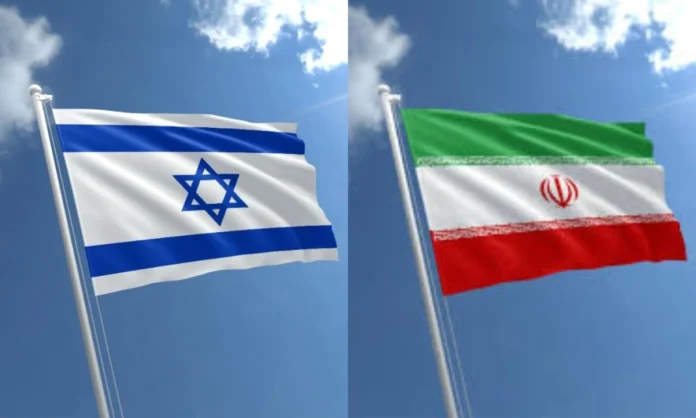
Iranian state television has confirmed the killing of the country’s Intelligence Minister, Esmail Khatib, in an Israeli strike, marking a significant escalation in the ongoing conflict.
Khatib’s death follows the earlier killings of senior Iranian figures, including security official Ali Larijani and the head of the paramilitary Revolutionary Guard’s Basij force.
Israel’s defence minister had initially claimed that Khatib was killed by Israeli forces, but the report was unverified until Iranian state television confirmed it hours later. His death now makes it the third assassination of high-ranking Iranian officials within two days.
The Israeli Defense Forces (IDF), in a post on social media, alleged that Khatib played a key role in suppressing recent protests across Iran, including overseeing arrests and killings of demonstrators, as well as coordinating operations against Israeli and American interests globally.
The statement also linked him to actions taken against Iranian citizens during the Mahsa Amini protests between 2022 and 2023.
Iranian President Masoud Pezeshkian also confirmed the development in a post on X.
Pezeshkian, in a post on X on Wednesday said: “The cowardly assassination of my dear colleagues Ismail Khatib, Ali Larijani, and Aziz Nasirzadeh, alongside some of their family members and accompanying team, has left us in deep mourning.”
The conflict between the United States and Israel on one side and Iran on the other has continued to intensify since the reported killing of Iran’s 86-year-old Supreme Leader, Ayatollah Ali Khamenei, on February 28, 2026, along with over 1,300 others.
Meanwhile, infrastructure linked to Iran’s South Pars offshore natural gas field also came under attack on Wednesday, according to state media reports. Qatar, which shares the gas field with Iran, later accused Israel of carrying out the strike.
In a related development, the U.S. Central Command disclosed that American forces launched multiple 5,000-pound deep-penetrating bombs on Iranian missile sites along the country’s coastline near the Strait of Hormuz on Tuesday.
Iran’s control over the Strait of Hormuz — a vital route through which about one-fifth of the world’s oil supply passes — has heightened global concerns about potential disruptions to energy supplies.
