

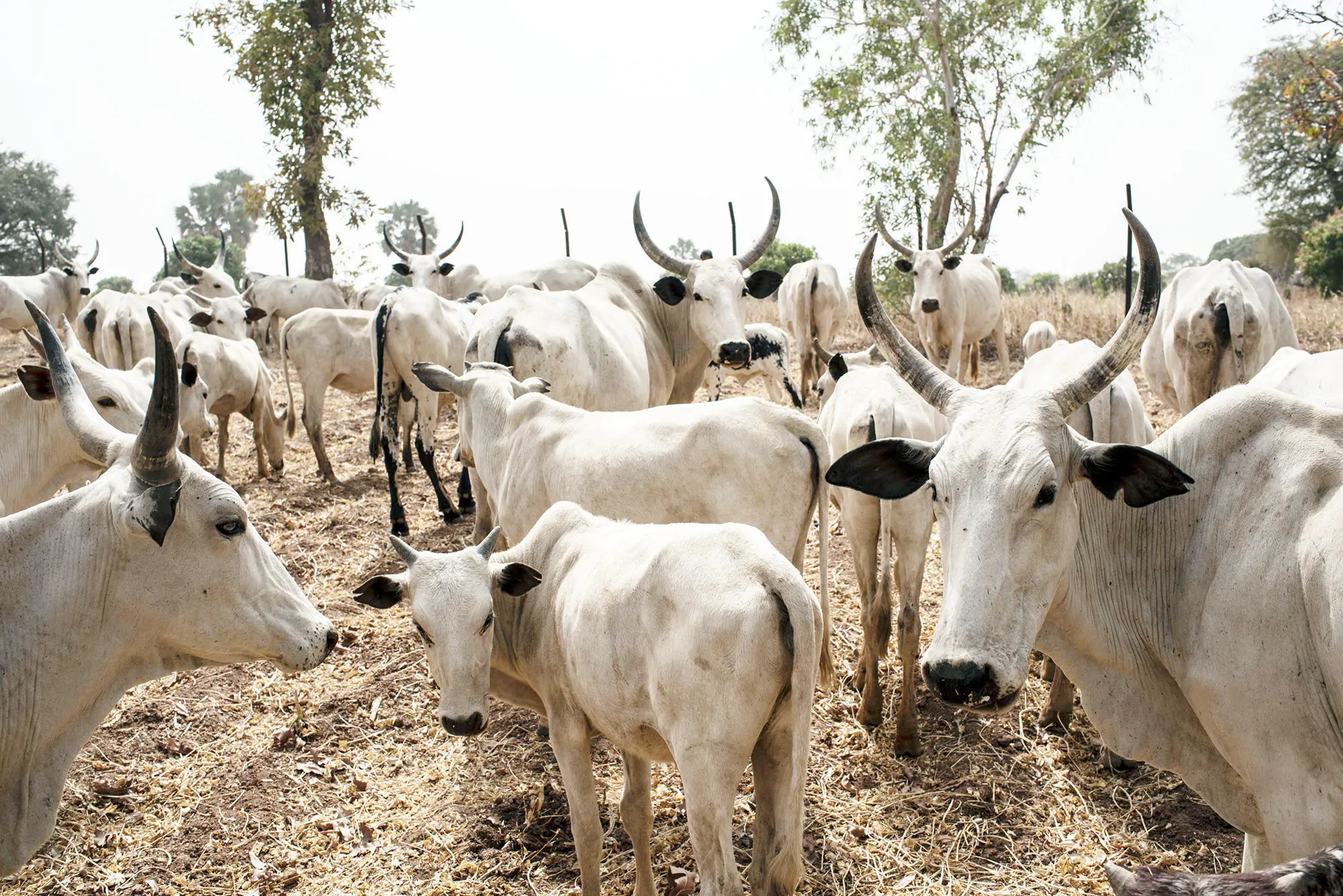
The Federal Government has expressed growing concern over the spread of Contagious Bovine Pleuropneumonia (CBPP), disclosing that the disease has affected more than 17 states, with a total of 131 outbreaks officially recorded.
The Minister of Livestock Development, Idi Mukhtar Maiha, made this known during the inauguration of a Technical Working Group on CBPP elimination in Abuja.
He described the outbreak as a serious threat to Nigeria’s livestock sector, noting that the disease has the potential to cause widespread economic losses by wiping out entire herds of cattle.
According to the minister, the scale of the outbreak highlights the urgency of coordinated intervention. He called for enhanced surveillance systems, expanded vaccination campaigns, and rapid response strategies to effectively contain and eliminate the disease.
Addressing members of the newly inaugurated technical working group, Maiha urged them to develop a comprehensive and practical framework aimed at eradicating CBPP.
He stressed that without intensified efforts, the disease could continue to spread across more regions, further impacting the agricultural economy.
Contagious Bovine Pleuropneumonia is a highly infectious respiratory disease that primarily affects cattle and water buffalo. It is caused by the bacterium Mycoplasma mycoides subspecies mycoides and is known for symptoms such as severe pneumonia, high fever, and mortality rates that can reach up to 50 percent.
The disease is typically transmitted through inhalation of respiratory droplets from infected animals, making it highly contagious in close-contact environments. It remains endemic in several parts of Africa, including Nigeria.
Control measures for CBPP generally involve vaccination, quarantine protocols, and strict regulation of livestock movement to prevent further spread.
The government’s renewed focus on tackling the disease underscores the importance of safeguarding the livestock sector, which plays a critical role in food security and economic stability.
