

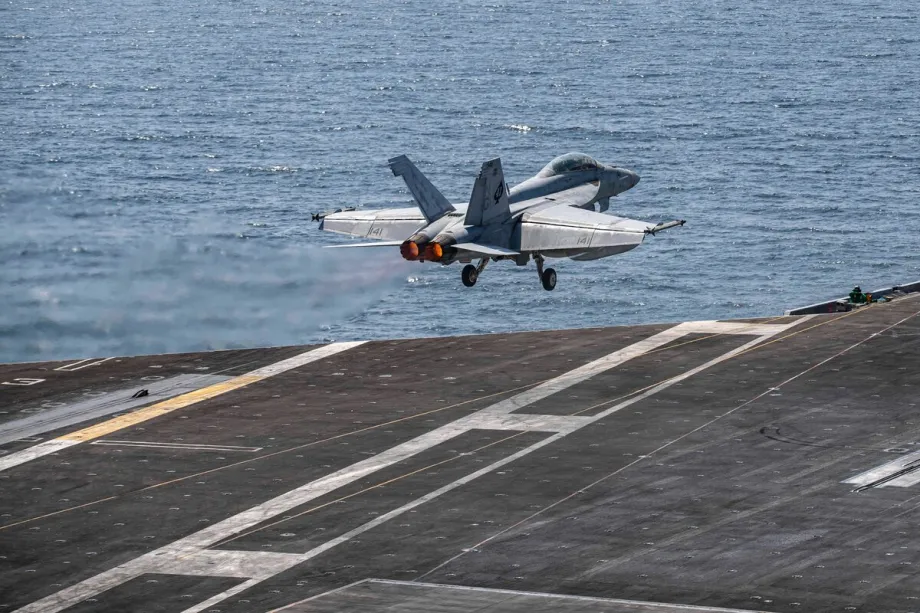
The Federal Government of Nigeria has clarified its position on the recent airstrike in Jilli Market, Borno State, stating that the operation was a targeted mission and not an indiscriminate assault.
The airstrike, which took place on April 11, 2026, was conducted by the Nigerian Air Force under Operation HADIN KAI as part of ongoing counter-terrorism efforts in the North-East. Reports of civilian casualties had sparked concern, but the government insists the strike was based on verified intelligence.
According to a statement issued by the Minister of Information and National Orientation, Mohammed Idris, the targeted location lies within the Jilli axis of Gubio Local Government Area, an area described as one of the most active insurgent corridors in the region.
“The area had been designated a high-risk zone with clear security advisories restricting civilian presence,” the statement said.
Despite defending the operation, the government extended condolences to families affected by the incident and expressed concern for those injured.
“Every Nigerian life is sacred, and any loss of civilian life is deeply regretted,” the statement added.
The government explained that the strike followed sustained intelligence, surveillance, and reconnaissance activities, which identified the area—locally referred to as “Kasu Daulaye” (the terrorists’ market)—as a long-standing insurgent enclave.
“The Jilli axis, locally known as “Kasu Daulaye” (the terrorists’ market), has long functioned as an insurgent-controlled enclave,” it said.
“Intelligence confirmed that Boko Haram and ISWAP operatives used the area to collect levies, procure supplies, and coordinate attacks.
“This assessment was reinforced on 12 April 2026, when troops apprehended a 15-year-old ISWAP courier, Tijjani, in Ngamdu. He admitted moving funds and logistics between Jilli and other locations, highlighting the depth of terrorist activity in the area and the exploitation of civilians, including minors.”
The statement further noted that the Borno State Governor, Babagana Zulum, had earlier confirmed that Jilli and Gazabure markets were officially shut down five years ago due to insurgent dominance, reinforcing intelligence reports about the area.
According to the government, the Bindul–Jilli corridor has repeatedly been identified as a major route for terrorist operations.
“The Bindul–Jilli axis has consistently been identified as a major terrorist corridor. In January 2026, troops suffered casualties from an IED attack along the route, while coordinated attacks in Ngamdu and Benisheikh on 9 April were linked to the same network. The 11 April strike followed weeks of surveillance in response to escalating threats.”
Following what it described as a thorough targeting process, the Nigerian Air Force, in collaboration with the Nigerian Army, confirmed the presence of insurgents before executing the strike aimed at disrupting supply chains and weakening terrorist capabilities.
Meanwhile, the government has ordered a comprehensive and independent investigation into the incident.
“This will review intelligence, targeting, and execution, and we will address any gaps and ensure accountability where needed. The protection of civilian lives remains a core obligation of the Armed Forces.”
Authorities also said efforts are ongoing in collaboration with the Borno and Yobe state governments, as well as emergency agencies such as NEMA and SEMA, to provide humanitarian assistance to affected families. Additional safeguards are expected to be introduced to minimise future risks.
Residents were advised to strictly adhere to security directives, avoid restricted zones, and cooperate with security agencies operating in the region.
