

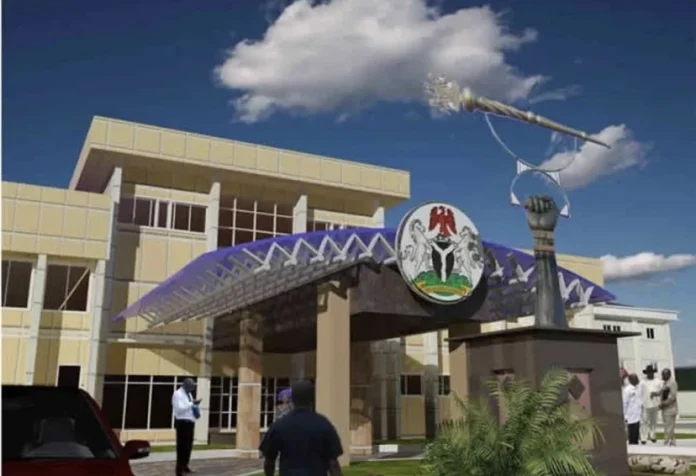
The Benue State House of Assembly has intensified efforts to promote inclusive governance by holding a public hearing on four proposed bills aimed at driving key areas of the state’s development.
Speaking during plenary in Makurdi, the state capital, the Speaker, Rt. Hon. Alfred Aondoaver Emberga—represented by his deputy, Rt. Hon. Lami Danladi Lawrence—said the initiative reflects the Assembly’s resolve to enact laws that truly address the needs and expectations of the people.
He pointed out that the hearing, coming shortly after a previous one, highlights the legislature’s consistent commitment to involving citizens in the lawmaking process.
According to him, the bills under consideration are vital to strengthening governance structures and improving service delivery across the state.
In a statement issued by the Chief Press Secretary to the Speaker, Zape Michael Upaa, one of the major proposals seeks to provide free treatment for snakebite victims in public hospitals, along with the establishment of a control committee to coordinate responses.
Emberga described snakebite incidents as a serious but often neglected challenge in rural communities, particularly among farmers, noting that the bill aims to eliminate financial barriers to treatment and create a more structured response system.
The statement further revealed that lawmakers are also reviewing a bill to establish the Benue State Road Maintenance Agency (BENROMA).
“The Assembly is considering a bill to establish the Forestry, Mines and Solid Minerals Management Commission. The fourth bill seeks to repeal and re-enact the Benue State Local Government Law of 2007.
The Speaker explained that the proposed legislation is intended to modernise local government administration, strengthen accountability, and align operations at the grassroots level with current legal and administrative realities,” the speaker said.
He added that the public hearing was designed to gather input from a broad range of stakeholders, including traditional rulers, civil society organisations, experts, and members of the public.
He assured that all submissions and memoranda would be carefully reviewed by relevant committees to ensure the final laws reflect the collective interest of the people.
In his opening remarks, the Majority Leader of the Assembly, Sir Thomas Dugeri, emphasised that the exercise goes beyond routine legislative procedure, describing it as a key component of democratic governance.
