

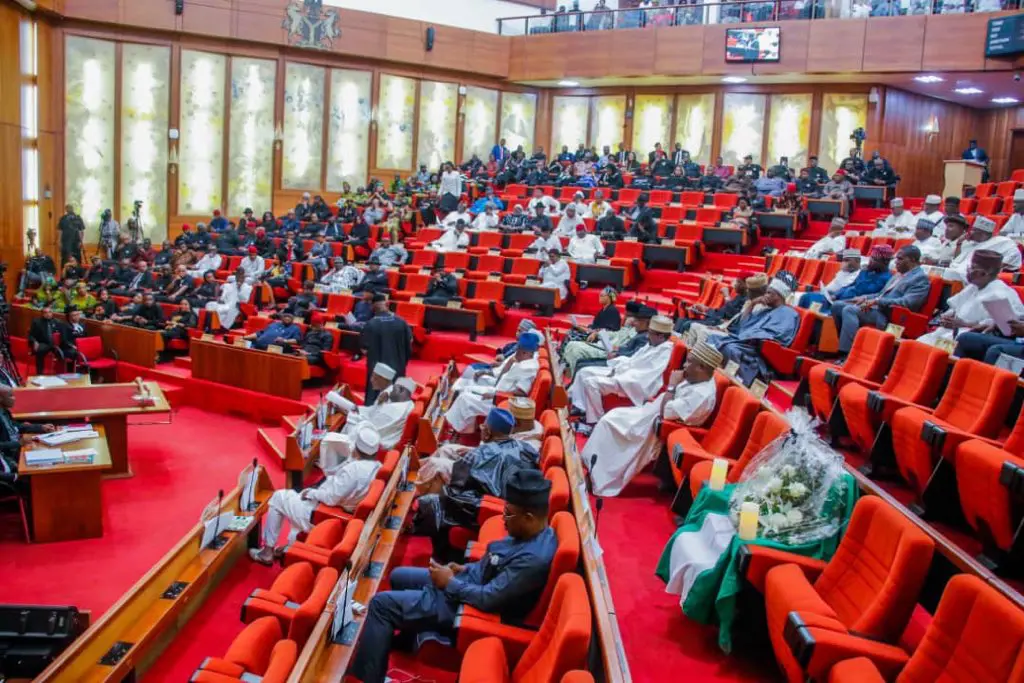
Nigeria’s Senate of Nigeria has taken steps to address the increasing wave of xenophobic attacks against Nigerians in South Africa by proposing the creation of a joint ad hoc committee with the House of Representatives Nigeria.
The committee, which will be chaired by the leadership of the National Assembly of Nigeria, is expected to undertake a diplomatic and fact-finding visit to South Africa. The goal is to engage relevant authorities and identify lasting solutions to the recurring crisis.
Lawmakers explained that the delegation would hold discussions with the South African Parliament, where Nigeria’s position and concerns over the treatment of its citizens would be formally presented.
As part of broader diplomatic efforts, the Senate also plans to communicate directly with the Speaker of the South African Parliament. In addition, Nigeria’s Minister of Foreign Affairs is expected to brief lawmakers on ongoing diplomatic engagements and their outcomes.
The resolution followed a motion of urgent national importance sponsored by Bassey, which highlighted the increasing incidents of violence, discrimination, and harassment faced by Nigerians abroad.
During deliberations, senators expressed concern not only about physical attacks but also about the psychological and social impact of such incidents.
“We are not only dealing with physical attacks but also a growing pattern of profiling and dehumanisation of Nigerians,” a lawmaker said during the debate.
The Senate also revisited previous agreements between Nigeria and South Africa reached in 2019, with Simon Lalong calling for their full implementation as a preventive measure against further escalation.
A more aggressive proposal by Adams Oshiomhole, which suggested revoking the licences of South African companies operating in Nigeria—including MTN Nigeria and DStv—was rejected on procedural grounds.
In his remarks, Senate President Godswill Akpabio urged caution, stressing that diplomacy remains the most effective approach.
“While these attacks are deeply troubling, our response must prioritise diplomatic engagement rather than punitive economic measures,” he said.
There was also a brief disagreement among lawmakers over whether the matter should be debated behind closed doors. While Aliero proposed a closed session, others, including Ningi, insisted on maintaining transparency in the proceedings.
The Senate concluded its deliberations by observing a minute of silence in honour of Nigerians who have lost their lives in xenophobic attacks in South Africa.
